What Kind of Resilience Training Actually Helps Under Pressure?
Dr. Charles Castillo
Mental Resilience Counseling | THE P.H.O.E.N.I.X. MODEL™

There is no shortage of resilience training in the market. Workshops, apps, talks, checklists, breathing tips, mindset reminders, stress management advice. Much of it is well intentioned. Some of it is useful. But leaders in high pressure environments often ask a reasonable question: what kind of resilience training actually helps when the pressure is real?
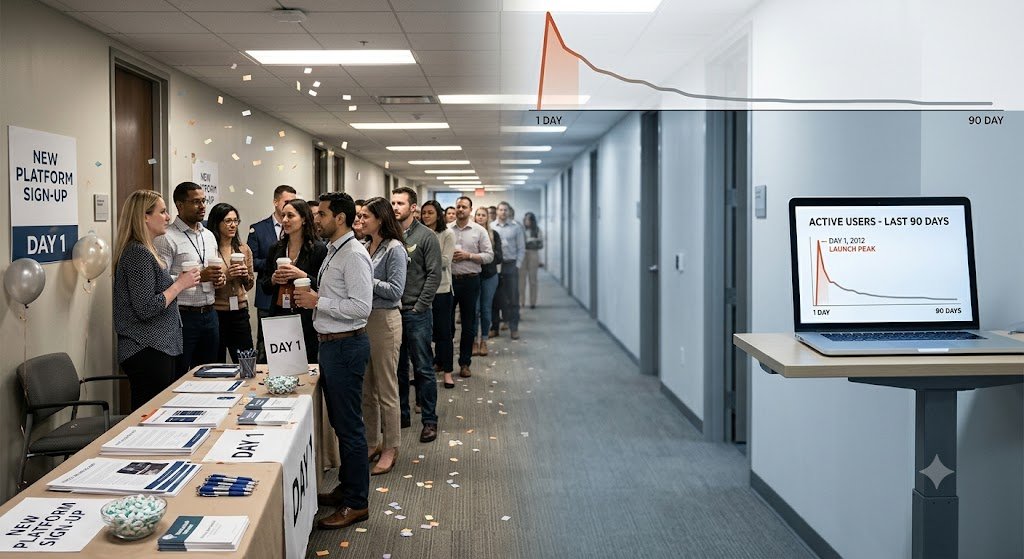
It is the right question, because resilience cannot be judged by how it sounds in a calm room. It has to prove itself where pressure actually lives. Under load. In ambiguity. In fatigue. In conflict. In long seasons where people still need to think clearly, carry responsibility, and stay connected to meaningful action. Training that sounds good but disappears the moment stress rises is not resilience training. It is temporary inspiration.
What Actually Helps Under Pressure
What helps under pressure is usually more structured, more practical, and more human than many people expect. First, it helps when training goes beyond stress reduction and into stress interpretation. People need help not only calming down, but understanding what pressure is doing to them. Are they simply stretched, or becoming emotionally detached? Are they overloaded, or losing direction? Are they tired, or starting to disconnect from the future they are working toward?
Second, it helps when resilience training includes regulation, not just ideas. Under pressure, the body matters. Emotional steadiness matters. The ability to recover composure matters. People need tools that can actually be used in live conditions, not only remembered in hindsight. That includes grounding, regulation, and ways to keep from becoming reactive when pressure spikes.
Third, the most useful resilience training restores purpose, not just control. This is where many resilience programs fall short. They teach coping without addressing meaning. They help people manage pressure without asking what still makes the pressure worth carrying. But under prolonged stress, a person's endurance is shaped not only by what they do in the moment, but by whether they still feel connected to a meaningful future.
This is why resilience training that actually helps tends to include future orientation. People need to know what they are continuing toward, not only how to get through the next hour. They need language for direction, not just survival. They need help reconnecting effort to meaning, contribution, identity, and a future they still want to reach. When that connection is strengthened, resilience becomes more than control. It becomes sustainable.
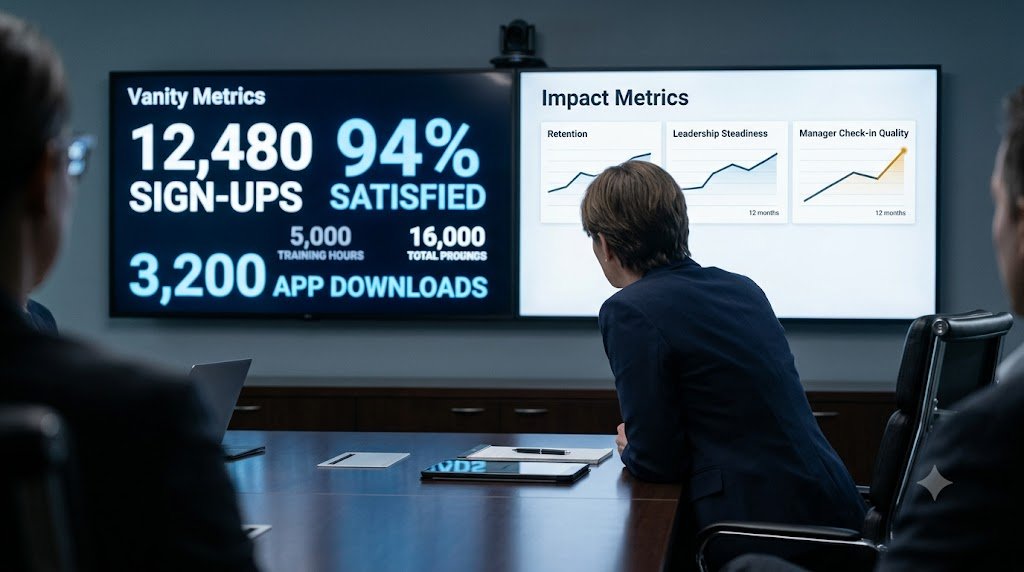
Fourth, useful resilience training must survive real workplace conditions. It cannot live only in theory. It has to fit leaders, managers, teams, and the daily rhythm of high stress work. It has to be structured enough to repeat, practical enough to apply, and measurable enough that organizations can tell whether it is changing anything.
Drawing from the PHOENIX Model, Dr. Charles Castillo identifies Anchored Hope as a clinical resilience factor influencing engagement, endurance, and workplace stability. That is a serious addition to resilience training, because it addresses not only how people cope under pressure, but why they continue. It connects regulation and recovery with meaning, agency, and a future worth moving toward.
A person can manage a difficult day with skill. But what helps them endure a difficult season is often something deeper. They need steadiness, yes. They need recovery, yes. But they also need a future that still feels real enough to justify the effort. Training that ignores that layer may help temporarily. Training that strengthens it may help much longer.
The Anchored Hope Index™ supports that deeper work by helping individuals and organizations reflect on resilience, meaning, future orientation, support, and drift risk before pressure turns into visible loss. It gives resilience training a clearer assessment layer and helps leaders understand where strain is actually landing.
Research context: Hope research links goal-directed agency and pathways thinking to human motivation, while burnout and engagement research underscore the need for resilience tools that support endurance before workplace strain becomes visible loss.
If you want a more structured way to understand whether resilience in your team is surface deep or strong enough to endure real pressure, the Anchored Hope Index™ offers a thoughtful place to begin.
Educational Use Disclaimer: The Anchored Hope Index™ is an educational and organizational development tool intended to support reflection, awareness, and discussion. It is not a diagnostic, clinical, or mental health assessment instrument and should not be used as a substitute for professional mental health evaluation or treatment.