What Should a Manager Do When a Top Performer Is Quietly Fading?
Dr. Charles Castillo
Mental Resilience Counseling | THE P.H.O.E.N.I.X. MODEL™

It can be deeply unsettling for a manager to watch a top performer begin to fade. Not fail. Not collapse. Fade.
The person is still competent. The work still gets done. Their name may still look strong on the dashboard. But something that once felt unmistakable is becoming harder to find. Their energy is lower. Their initiative is narrower. Their presence is flatter. The person who once gave the team confidence now seems to be operating with less inner force than before.
Why Quiet Fading Is More Dangerous Than Visible Struggle
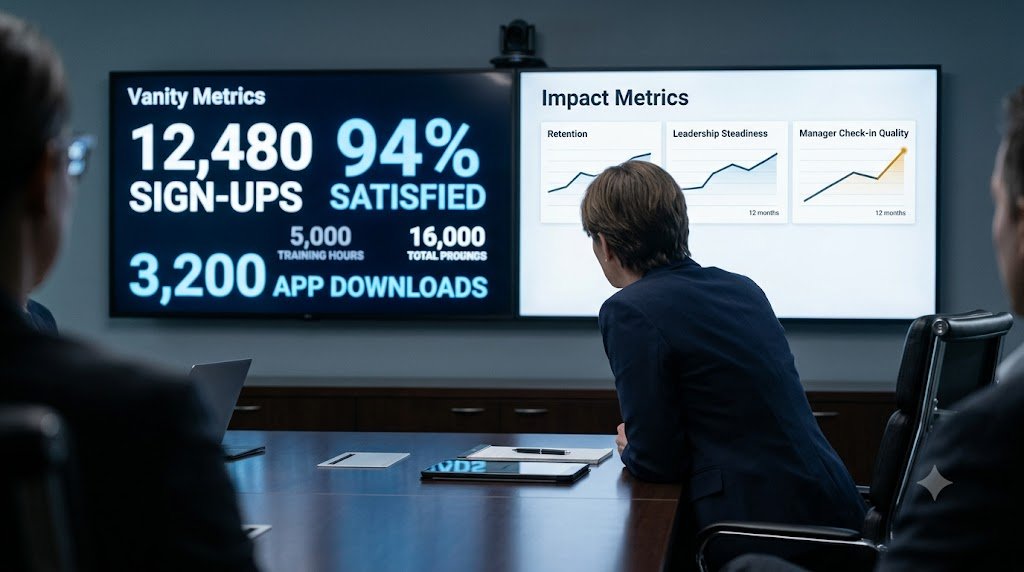
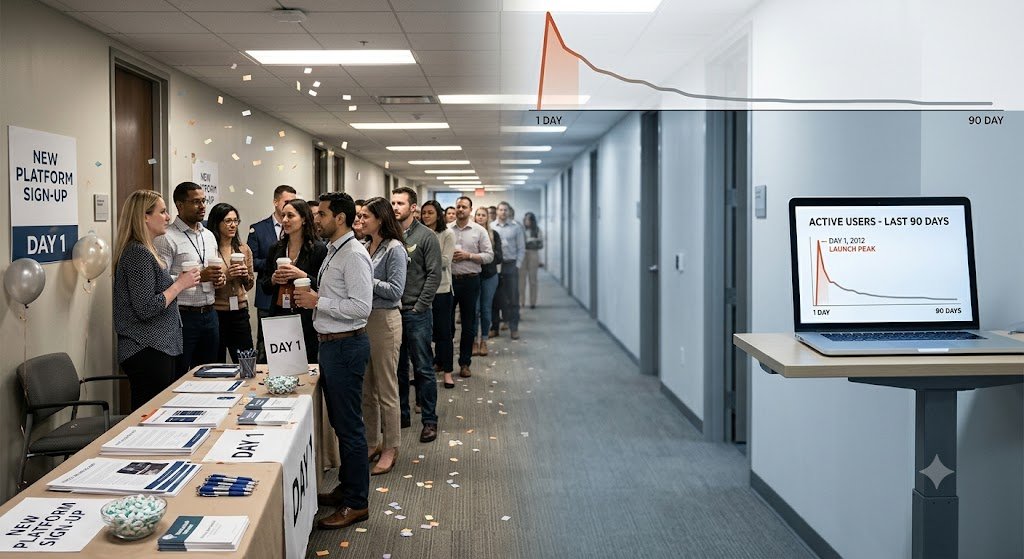
Managers often miss this moment because the numbers are still respectable. The employee is not yet causing obvious problems. In fact, top performers are often the people most capable of hiding decline. They know how to stay useful while feeling worse. They know how to protect output even when meaning, resilience, and emotional steadiness have begun to weaken. That is why quiet fading can be more dangerous than visible struggle. It buys time, but not necessarily recovery.
So what should a manager do? First, notice early without waiting for proof of failure. The instinct in many workplaces is to let strong people self-correct. Sometimes that works. But when someone who is usually highly engaged starts becoming emotionally thinner, less curious, less present, or more mechanically productive, waiting can allow the drift to deepen.
Second, do not lead with correction. A fading top performer does not usually need a lecture about standards. In many cases, they already know they are not operating the way they once were. The better response is observation and curiosity. "I've noticed you seem like you're carrying this season differently." "You're still delivering, but you don't seem like yourself." "I want to understand what's getting heavier before it gets worse."
Third, look beyond workload alone. It may be pressure, yes. But top performers often fade not only because they are overworked, but because the future connection that once made the work feel worth carrying has started to weaken. They may still be capable, but less anchored. They may still be responsible, but less internally convinced. If the conversation stays only at the level of tasks, the manager may never reach the more important issue.
Drawing from the PHOENIX Model, Dr. Charles Castillo identifies Anchored Hope as a clinical resilience factor influencing engagement, endurance, and workplace stability. A top performer can keep delivering even while that connection weakens. When that happens, the person may not need more motivation. They may need help reconnecting to meaning, direction, and an internal reason the effort still matters.
Managers can support that process by creating space, reducing unnecessary friction, clarifying priorities, and having more honest conversations earlier. Sometimes they can adjust load. Sometimes they can reframe contribution. Sometimes they can simply notice enough, early enough, that the person feels seen before the drift becomes an exit.
Quiet fading is often a recoverable stage. A person who is still functioning is often still reachable. But only if someone notices that the issue is not merely output. It is the weakening of the inner connection that used to make output more alive, more generous, and more sustainable.
The Anchored Hope Index™ can help managers and organizations reflect on that hidden layer by exploring meaning, resilience, future orientation, and drift risk in a structured way. It supports better conversations before quiet fading becomes visible loss.
Research context: Gallup's engagement findings highlight a broader workplace detachment problem; the practical implication is that output alone is not a sufficient measure of human connection or future commitment.
If you want a more structured way to understand whether a top performer is simply tired or beginning to quietly disconnect, the Anchored Hope Index™ offers a thoughtful place to begin.
Educational Use Disclaimer: The Anchored Hope Index™ is an educational and organizational development tool intended to support reflection, awareness, and discussion. It is not a diagnostic, clinical, or mental health assessment instrument and should not be used as a substitute for professional mental health evaluation or treatment.