Why Do Good Employees Stop Caring Before They Actually Leave?
Dr. Charles Castillo
Mental Resilience Counseling | THE P.H.O.E.N.I.X. MODEL™

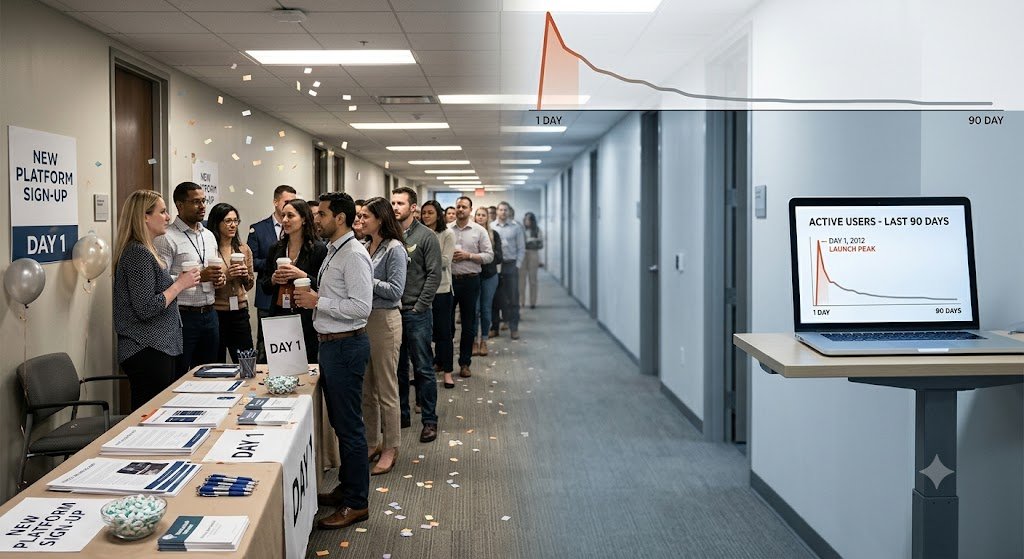
Good employees rarely leave emotionally and physically at the same time. More often, the emotional departure happens first. They are still there. They are still capable. They are still meeting expectations. But something that once felt alive in the work has started to thin out. Gallup’s recent workplace reporting points to a broader decline in engagement, with managers playing an outsized role in whether teams stay connected or begin to drift. When engagement weakens, the loss is not always immediate turnover. Sometimes it shows up first as reduced emotional investment. (Business Insider)
This is why leaders are often surprised when a strong employee eventually leaves. They think the resignation came suddenly, when in reality the person had been pulling back internally for months. They stopped volunteering ideas as freely. They became more mechanical. They protected their energy. They kept doing the work, but with less felt attachment to the future inside it. Burn-out, as the World Health Organization frames it, includes exhaustion, mental distance from the job, and reduced professional efficacy. That “mental distance” is often where this story begins. (Business Insider)
Drawing from the PHOENIX Model, Dr. Charles Castillo identifies Anchored Hope as a clinical resilience factor influencing engagement, endurance, and workplace stability. That makes this pattern easier to understand. Good employees do not stop caring because they suddenly become lazy or disloyal. Often, they stop caring because their connection to meaning, direction, and a believable future inside the role has weakened. The work may still demand effort, but it no longer gives the same inner reason to keep investing. That is a dangerous stage because it often looks like “still functioning” to everyone else.
When that happens, leaders need to pay attention to more than performance. They need to ask whether the person still feels connected, still sees movement, still believes their effort matters in a meaningful way. If not, the issue may be less about attitude and more about erosion. By the time the employee leaves, the deeper exit has often already happened. (Wall Street Journal)
The Anchored Hope Index™ is designed to help individuals and organizations reflect on meaning, future orientation, resilience, support, and drift risk before emotional withdrawal becomes visible only through resignation.
If you want a more structured way to understand whether a good employee is still engaged or quietly beginning to detach, the Anchored Hope Index™ offers a thoughtful place to begin.
Educational Use Disclaimer: The Anchored Hope Index™ is an educational and organizational development tool intended to support reflection, awareness, and discussion. It is not a diagnostic, clinical, or mental health assessment instrument and should not be used as a substitute for professional mental health evaluation or treatment.
References:Gallup manager and employee engagement findings, as reported by Business Insider and The Wall Street Journal. (Business Insider)WHO definition of burn-out as an occupational phenomenon. (Business Insider)