Why Do People Stay Busy but Feel Increasingly Empty at Work?
Dr. Charles Castillo
Mental Resilience Counseling | THE P.H.O.E.N.I.X. MODEL™
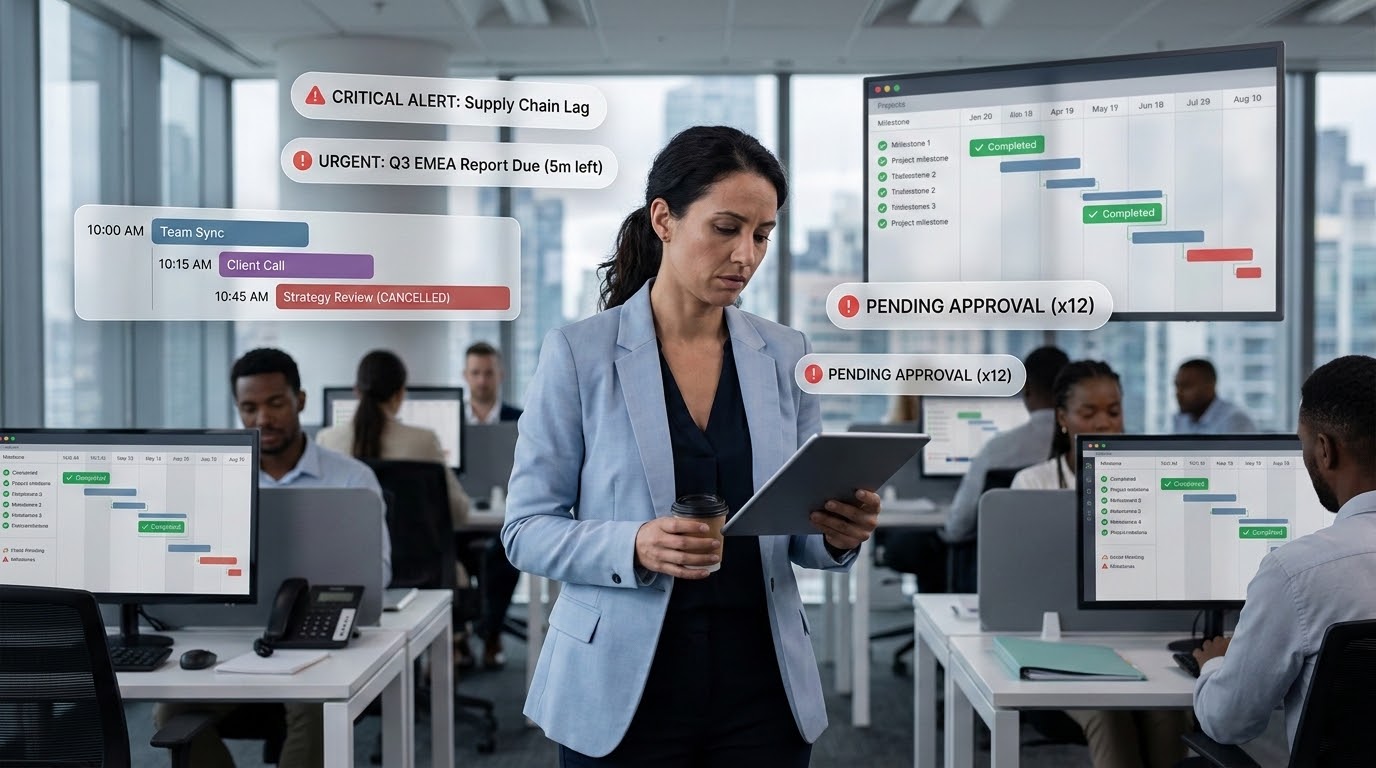
One of the more confusing patterns in modern work is that a person can be constantly active and still feel increasingly empty. The calendar is full. The deadlines are real. The output may even look strong. But busyness is not the same as connection. In many workplaces, people are moving all day without feeling meaningfully attached to what the movement is for. Over time, that gap can become emotionally costly. Work remains demanding, but less nourishing. Effort remains high, but less internally anchored. That is one reason busyness alone is a poor indicator of resilience or engagement.
This pattern matters because emptiness does not usually announce itself dramatically. It often shows up quietly as flattening, lower initiative, less curiosity, and a subtle sense that the work has become mechanical. The person is not necessarily failing. They are functioning without the same felt sense of direction, meaning, or inner connection. The World Health Organization describes burn-out as resulting from chronic workplace stress that has not been successfully managed, and includes exhaustion, mental distance from the job, and reduced professional efficacy. That description helps explain why someone can stay busy while becoming less emotionally present in the work itself. (Wikipedia)
Recent research on purpose and meaning at work is useful here too. A 2026 working paper argues that many workers value purpose alongside income, and that meaning can affect effort and productivity. Even where the exact mechanisms are debated, the practical implication is clear: when meaning weakens, output may continue for a while, but the human experience of the work changes. People can stay in motion while losing the felt reason that made the motion matter. (arXiv)
Drawing from the PHOENIX Model, Dr. Charles Castillo identifies Anchored Hope as a clinical resilience factor influencing engagement, endurance, and workplace stability. That helps explain why emptiness can grow in the middle of visible productivity. A person may still be doing the work, but their connection to a meaningful future may be weakening. When that happens, busyness stops feeling like progress and starts feeling like emotional expenditure without return.
This is not only a personal issue. It becomes an organizational issue when enough people begin working from obligation rather than meaningful connection. Teams become more brittle. Leadership becomes less steady. Recovery becomes harder. The work still gets done, but with less aliveness behind it. That is often where disengagement begins, not in open refusal, but in repeated effort that no longer feels inwardly connected to a future worth carrying.
The Anchored Hope Index™ is designed to help individuals and organizations reflect on meaning, future orientation, resilience, support, and drift risk before busyness hardens into deeper emptiness and disengagement.
If you want a more structured way to understand whether people are productively engaged or simply busy while becoming emotionally disconnected, the Anchored Hope Index™ offers a thoughtful place to begin.
Educational Use Disclaimer: The Anchored Hope Index™ is an educational and organizational development tool intended to support reflection, awareness, and discussion. It is not a diagnostic, clinical, or mental health assessment instrument and should not be used as a substitute for professional mental health evaluation or treatment.
References:World Health Organization ICD 11 definition of burnout as an occupational phenomenon. (Wikipedia)Research on purpose and meaning at work. (arXiv)