How Do You Build a More Hopeful Workforce Without Using Fluffy Language?
Dr. Charles Castillo
Mental Resilience Counseling | THE P.H.O.E.N.I.X. MODEL™
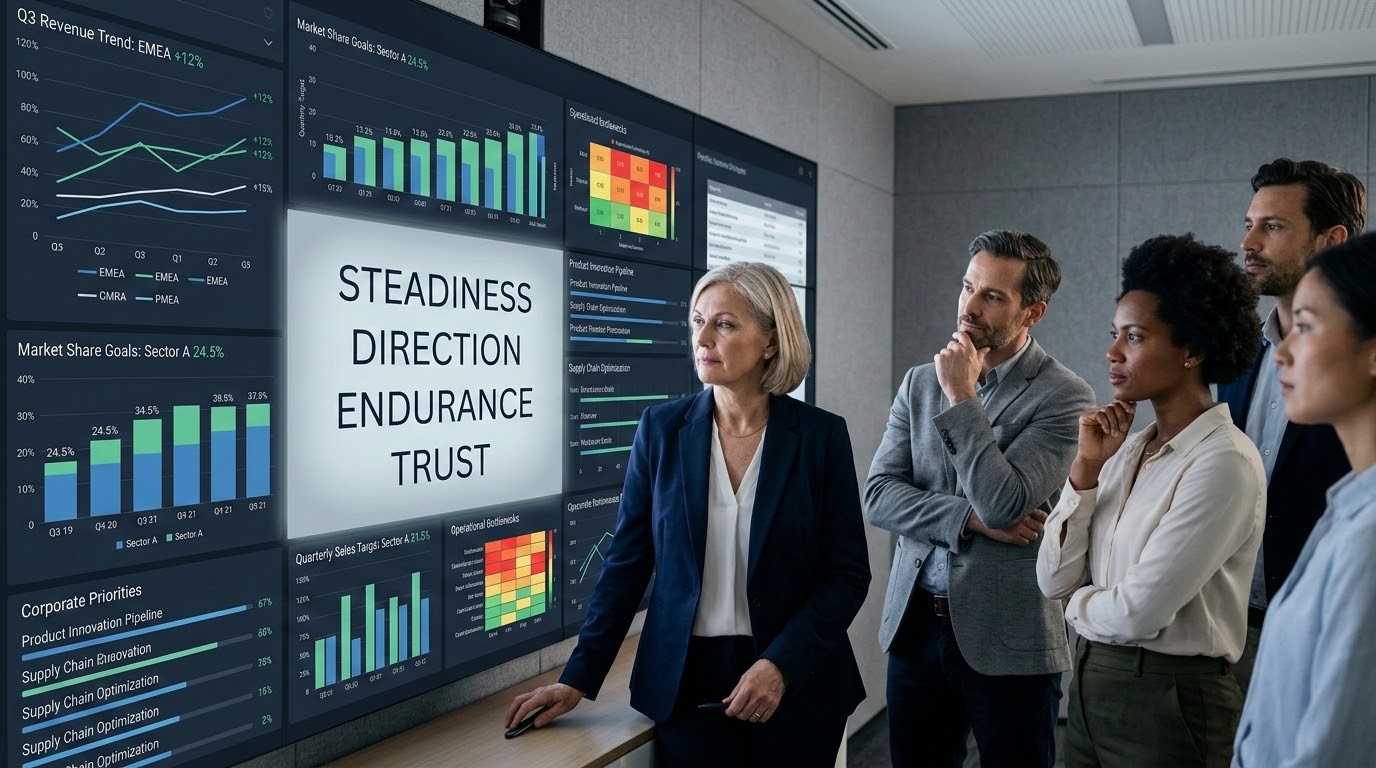
Many leaders resist the language of hope because they assume it sounds soft, sentimental, or disconnected from real business pressure. That concern is understandable. In many workplaces, words like hope and purpose have been used so vaguely that they can feel decorative rather than useful. But the absence of good language does not remove the underlying reality. People still need something that helps them stay connected to effort, direction, and endurance under pressure. The challenge is not whether hope matters. The challenge is whether leaders can speak about it with enough clarity and seriousness that it becomes usable. Gallup’s workplace reporting continues to show that manager engagement, clarity, and meaningful connection strongly influence team outcomes, which reinforces the idea that inner connection is not separate from performance. (Wall Street Journal)
A more hopeful workforce is not created by slogans. It is created when people feel that the future still makes sense, that their effort still connects to something meaningful, and that pressure is not the only thing organizing their work. That is why leaders do better when they talk about hope in operational terms. Instead of saying, “We need more positivity,” they can say, “We need stronger future orientation, steadier leadership, and clearer reasons for people to stay engaged under pressure.” Instead of saying, “Let’s inspire people,” they can say, “Let’s make sure the work still feels connected to something worth carrying.” That is not fluffy language. It is disciplined language for a real human driver of performance.
Drawing from the PHOENIX Model, Dr. Charles Castillo identifies Anchored Hope as a clinical resilience factor influencing engagement, endurance, and workplace stability. That framing is especially useful because it gives leaders stronger language. Hope becomes not a mood, but a measurable connection to a meaningful future. It becomes part of resilience, not a substitute for it. Within that perspective, a more hopeful workforce is one where people remain connected to direction, contribution, and believable forward movement even when the environment is demanding.
That also means leaders can build hope structurally. They can reduce ambiguity. They can connect current effort to future outcomes. They can strengthen manager conversations, improve support, and clarify what remains meaningful in the middle of change. The point is not to force optimism. The point is to strengthen the conditions that make endurance and engagement more sustainable over time. Recent coverage of Gallup findings on manager disengagement and worker strain makes the same point from another angle: when leaders are less grounded, teams feel it quickly. (Wall Street Journal)
The Anchored Hope Index™ is designed to help individuals and organizations reflect on meaning, future orientation, support, resilience, and drift risk in a structured, non-clinical way. It helps organizations approach hope as a serious workforce stability issue rather than a vague cultural aspiration.
If you want a more structured way to build a workforce that stays connected to meaning and future direction without relying on fluffy language, the Anchored Hope Index™ offers a thoughtful place to begin.
Educational Use Disclaimer: The Anchored Hope Index™ is an educational and organizational development tool intended to support reflection, awareness, and discussion. It is not a diagnostic, clinical, or mental health assessment instrument and should not be used as a substitute for professional mental health evaluation or treatment.
References:Gallup findings on manager engagement and employee outcomes, as reported by The Wall Street Journal and Houston Chronicle. (Wall Street Journal)Gallup workplace engagement reporting, as summarized by Axios.